



Egypt’s social protection sector witnessed significant development during the years following the June 30, 2013 revolution, as the state expanded its efforts to support the most vulnerable groups and improve their standard of living.
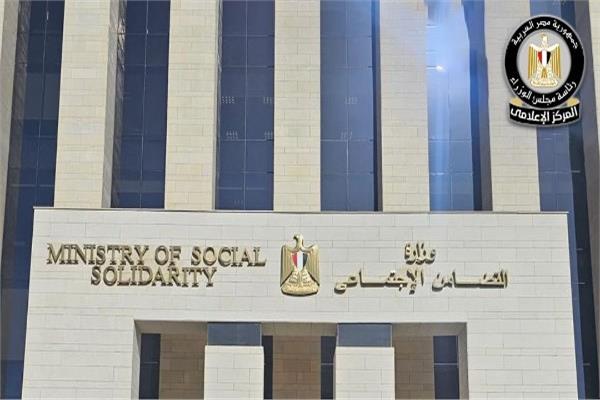
The Ministry of Social Solidarity has played a prominent role in implementing programs and initiatives aimed at enhancing the social and economic stability of the most vulnerable families across various governorates.
During this period, the state adopted a new vision for social protection focused on expanding the beneficiary base and aligning support programs with sustainable development goals. Its role extended beyond providing financial assistance to empowering families and improving their long-term living conditions.
The “Takaful and Karama” program is one of the most prominent initiatives, aiming to provide direct cash support to eligible families to alleviate their economic burdens. The program has experienced remarkable growth in the number of beneficiaries, increasing from approximately 1.7 million families at its inception to nearly 4.7 million families by 2026.
Social protection allocations have increased significantly in recent years, with the value of support and social benefits in the 2025–2026 budget reaching approximately 742.6 billion Egyptian pounds. Of this amount, around 54 billion pounds have been allocated to cash support programs, reflecting the state’s commitment to strengthening social safety nets.
In addition, the Ministry of Social Solidarity has worked on developing methods to manage support programs by updating databases and improving targeting mechanisms, ensuring that assistance efficiently and transparently reaches those who deserve it. These efforts enhance social justice and improve citizens’ quality of life.
Source: Akhbar El-Youm Online Portal