



Muhammad Ali Takes Power in Egypt
On this day, May 17, 1805, Muhammad Ali Pasha assumed rule over Egypt. His reign is considered a pivotal turning point in the country’s history, as he modernized Egypt following the elimination of the Mamluks. The Muhammad Ali dynasty continued to rule until the revolution of July 23, 1952.
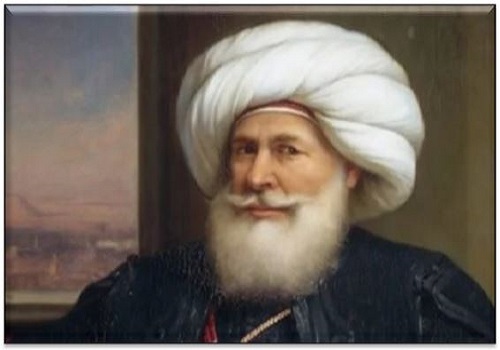
Muhammad Ali was known for his intelligence, political skill, and strategic cunning, which helped him rise to power in Egypt despite his relatively young age at the time. He managed to gain the trust and support of the country’s religious scholars and the general population, to the extent that they themselves called for him to assume leadership of the country.
He eliminated the Mamluks in the famous Citadel Massacre of 1811. He then sent his army to the Hejaz, where he gained control, followed by campaigns in Nubia, Crete, Palestine, and the Levant.
These military victories and his growing influence led the Ottoman Empire and several European powers with vested interests to oppose him. They convened in London in July 1840 and signed an agreement granting Muhammad Ali the title of Viceroy of Egypt, while restricting Egypt to its original borders and making its rule hereditary within his family, passed to the eldest sons and grandsons.
Muhammad Ali fell ill in 1848, and a decree was issued appointing Ibrahim Pasha as governor of Egypt. Muhammad Ali died in 1849.