



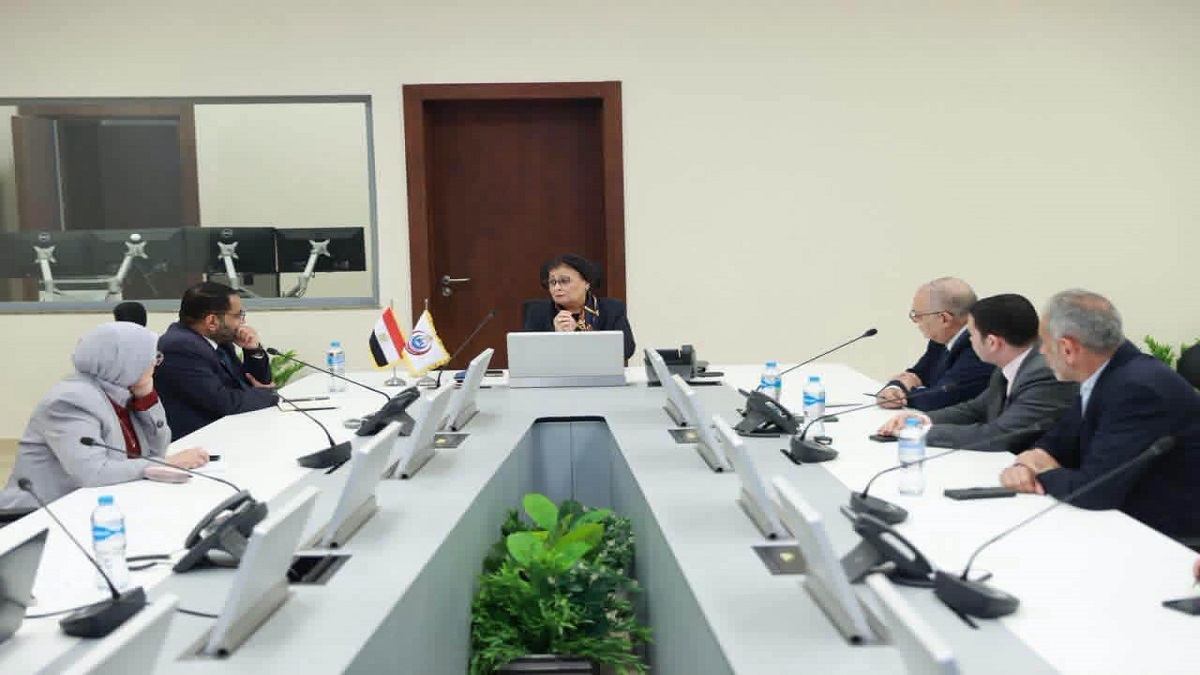
Dr. Abla El-Alfy, Deputy Minister of Health and Population for Population Affairs, Primary Healthcare, and Family Development, chaired the first meeting of the National Newborn Committee to discuss a plan to reduce newborn mortality, standardize medical practices, and improve the efficiency of neonatal care units in both the public and private sectors. The meeting was held in line with the directives of Dr. Khaled Abdel Ghaffar, Minister of Health and Population, to develop the healthcare system and improve the quality of services provided to newborns.
The Deputy Minister emphasized that work on newborn care has been ongoing for nearly three years, highlighting the importance of the committee, which brings together the Ministry of Health, universities, the private sector, and international organizations. The committee aims to unify approaches and implement standardized treatment protocols to improve health outcomes.
Dr. Abla El-Alfy presented data showing that the newborn mortality rate stands at 18 deaths per 1,000 live births, with a target of reducing it to 11 deaths per 1,000 live births. She noted that newborn deaths account for more than 62% of all deaths among children under five, with most occurring during the first three days of life, particularly on the first day. This underscores the need to improve the quality of care in delivery rooms and neonatal units and ensure early intervention.
She stressed the importance of involving the private sector, particularly since approximately 80% of births take place in private hospitals. She also highlighted the need to address practices that are not evidence-based, promote the rational use of antibiotics, intravenous fluids, and medications, and improve antenatal care services.
The meeting reviewed several clinical interventions aimed at improving health outcomes, including appropriately delayed umbilical cord clamping, prevention of neonatal hypothermia, early respiratory support, early enteral feeding with breast milk, and the use of video laryngoscopy when necessary. Discussions also covered reorganizing neonatal units into three levels of care, strengthening coordination between Ministry of Health hospitals and university hospitals, and expanding telemedicine services to connect peripheral neonatal units with specialist consultants.
Participants agreed to develop a unified national clinical guideline for newborn care through a technical committee and launch an electronic application to facilitate access to the guidelines. They also agreed to contact the Egyptian Health Council to expedite its approval.
Additional measures include launching an intensive three-month inspection campaign targeting neonatal units across the governorates, closing unlicensed facilities, launching the National Neonatal Resuscitation Program, and training certified instructors. The meeting also emphasized addressing nursing shortages in neonatal units, providing the necessary equipment, and supporting breastfeeding.
The meeting concluded that reducing newborn mortality requires coordinated scientific, operational, and regulatory efforts, as well as standardized medical practices based on the latest evidence, to ensure safe, high-quality care for every newborn from the very first moments of life.
🖋️Source: The National Media Authority online portal