



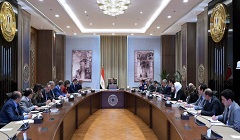
Egyptian Prime Minister Mustafa Madbouli chaired a meeting to address efforts to combat smuggling and the influx of illicit goods flooding Egyptian markets. The meeting aimed to review ongoing efforts to curb these activities and discuss proposed measures to protect domestic manufacturers.
Attendees included Kamel El-Wazir, Deputy Prime Minister and Minister of Industry and Trade; Mohammad Maait, Minister of Finance; Hassan El-Khatib, Minister of Investment and International Trade; Waleed Gamal El-Din, Chairperson of the Suez Canal Economic Zone; and officials from relevant ministries and agencies.
El-Wazir reported that the Ministerial Committee for Industrial Development had received numerous complaints from Egyptian manufacturers about the prevalence of smuggled goods in the market. He detailed several examples of how smuggling negatively impacted domestic producers and outlined proposed measures to tackle the problem.
Both the Minister of Finance and the Minister of Investment also put forward a series of controls and procedures for implementation at ports and customs points. These included regulations related to personal imports, intended to improve governance and address violations.
Prime Minister Madbouli instructed officials to expedite the finalization of these proposed controls and procedures for presentation and approval by the Cabinet of Ministers. He emphasized the need for swift implementation and comprehensive regulation of the system.
Cabinet Spokesperson Mohammad El-Homsani stated that the meeting also reviewed the Egyptian Customs Authority’s achievements in combating smuggling during 2024. Approximately 58,800 smuggling cases were recorded, resulting in the collection of EGP 4.84 billion. The smuggled goods included narcotics, alcohol, cigarettes, textiles, weapons, fireworks, pharmaceuticals, food products, various devices, gold and silver artifacts, mobile phones and accessories, cars and spare parts, chemicals, and pesticides. Cases also involved document forgery, currency smuggling, and antiquities.
Source: Daily News Egypt