



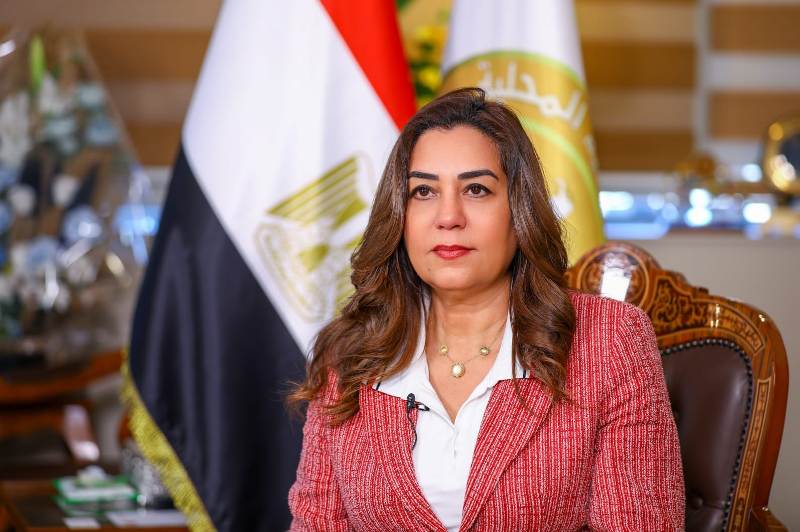
Minister of Local Development and Environment Dr. Manal Awad held a meeting with Yasser Abdullah, CEO of the Waste Management Regulatory Authority, to follow up on developments in the national system for managing waste information and data. They also discussed executive measures for implementing the Extended Producer Responsibility (EPR) system nationwide, in accordance with Law No. 202 of 2020 on waste management.
Awad said that the national system represents an integrated platform for online issuing of licenses, approvals, and permits related to hazardous and non‑hazardous waste activities electronically. This includes collection, transport, treatment, and safe final disposal, as well as permits for exporting materials and waste and importing non‑hazardous waste as production materials.
Awad stressed the need to comply with the technical and procedural requirements set by the Waste Management Law and its executive regulations, confirming that no licenses or approvals for handling materials and waste of any kind will be issued before verifying that facilities meet the necessary conditions.
The minister explained that the Waste Management Regulatory Authority, in coordination with relevant administrative bodies, conducts inspections of facilities before issuing licenses or approvals and monitors companies after licensing to ensure compliance with the specified requirements according to the nature of each activity.
The meeting reviewed the implementation status of the online system for EPR, which is now ready to be launched through the national waste information and data management system (WIMS).
The system allows producers and importers to register and disclose the quantities of packaging materials placed on the Egyptian market.
The minister directed that registration procedures be simplified to provide producers and importers with easy access to the system and to encourage their compliance with its requirements.
The meeting also identified the materials to be included in the first phase, primarily priority packaging materials, following consultative sessions with the private sector and stakeholders to ensure that implementation mechanisms align with practical requirements.
Studies on the value chains of these materials were presented, highlighting expected environmental and economic benefits, including reducing waste sent to landfills, promoting circular economy principles, and creating new job opportunities in the recycling sector.
Awad added that applying the EPR system is an important step both environmentally and economically, reflecting the commitment of the state and the industrial sector to supporting sustainable development, ensuring sound management of materials and waste, and aligning with Egypt’s international obligations.
Meanwhile, Yasser Abdullah explained that the meeting addressed mechanisms for moving from the legislative framework to detailed implementation, following the prime minister's decision specifying the products subject to the system, producer obligations, applicable fees, and the roles and responsibilities of relevant entities, paving the way for actual application.
Source: Al-Ahram Online Portal