



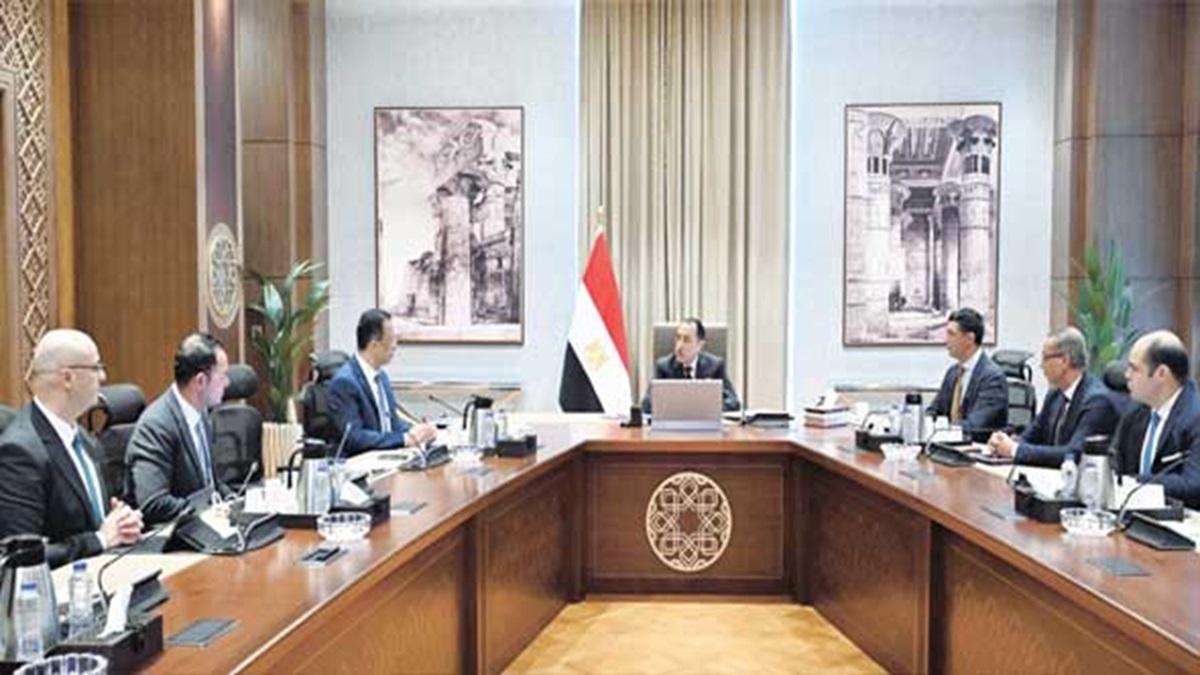
Dr. Mostafa Madbouly, Prime Minister, stressed that mobile phones have become an essential commodity for all citizens. Therefore, efforts must be made to ensure their availability at suitable prices. He directed the relevant ministries to prepare a comprehensive study to regulate this market and help make mobile phones available at affordable prices.
The Prime Minister also highlighted the efforts made in cooperation and coordination with various relevant authorities to attract and encourage several international companies to increase their investments in the Egyptian market, with the aim of localizing this important industry in Egypt and increasing mobile phone production to meet the needs of the local market at suitable prices.
The Prime Minister explained that he is following up on recent concerns regarding the significant rise in mobile phone prices in Egypt. He noted that discussions are underway on possible immediate and long-term measures to ensure that mobile phones are available to citizens at suitable prices.
This came during a meeting held to follow up on measures aimed at deepening the mobile phone manufacturing industry in Egypt and making mobile phones available to citizens at suitable prices. The meeting was attended by Eng. Raafat Hindi, Minister of Communications and Information Technology; Eng. Khaled Hashem, Minister of Industry; Ibrahim El-Segini, Head of the Consumer Protection Agency; Dr. Mahmoud Momtaz, Head of the Egyptian Competition Authority; Eng. Mohamed Shamroukh, CEO of the National Telecommunications Regulatory Authority; Eng. Ahmed El-Zaher, CEO of the Information Technology Industry Development Agency (ITIDA); Ahmed Refaat El-Assalany, Deputy Head of the Egyptian Customs Authority; Ashraf Hamdy, Advisor to the Minister of Investment for Corporate Communications; and several other officials.
Counselor Mohamed Adel, the official spokesperson for the Cabinet, explained that the meeting reviewed several factors affecting global mobile phone prices, including rising memory chip prices and supply shortages resulting from increasing demand for artificial intelligence processors, in addition to supply chain disruptions and higher operating and component costs.
🖋️Source: Al-Ahram Portal